Furniture in a sleep environment supports comfort, organization, and everyday use. Beds, headboards, and related furnishings work alongside bedding, pillows, and sheets to shape how a room functions. Understanding the role of each item can help clarify how furniture contributes to a restful, practical setting for adults, children, and caregivers.
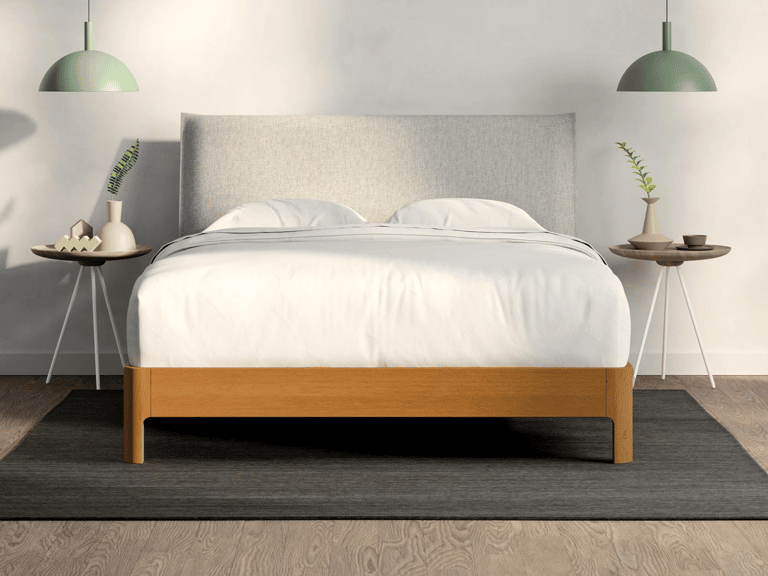
The Pillow Repose Headboard is a furniture feature designed to provide a supportive surface at the head of a bed. Its cushioned, pillow-style form can add a softer point of contact when sitting upright to read or relax. A headboard also helps define the bed area and may protect the wall from routine contact.
When assessing a headboard, consider its height, width, upholstery, and compatibility with the bed frame. A padded design such as the Pillow Repose Headboard may be relevant for people who use their bed for more than sleeping. Its materials and construction affect comfort, appearance, cleaning needs, and how well it suits the room.
Furniture selection is closely related to the bedding used on a mattress. Pillows, sheets, and mattress dimensions influence how a bed fits its surrounding space, while organic mattresses may be chosen for material preferences. Organic crib mattresses serve infants and require attention to appropriate sizing, firmness, and safe, compatible bedding.
A well-planned sleep area pairs functional furniture with suitable sleep products. A supportive headboard can complement a mattress and pillows, while properly fitted sheets help keep the bed orderly. For children’s rooms, furniture placement should preserve clear movement around the crib and allow practical access to an organic crib mattress.
 Furniture